
A faster report is worthless if it doesn't hold up. So the honest answer is this: it holds up because you still hold it up. Soma drafts in your structure, but you review and sign every section — and nothing goes out that you haven't approved. The speed is real, but the judgment stays yours.
I want to take the trust objection head-on, because it's the right objection. The psychologists I talk to are protective of their reports, and they should be. Let me walk through what actually keeps the quality where it needs to be.
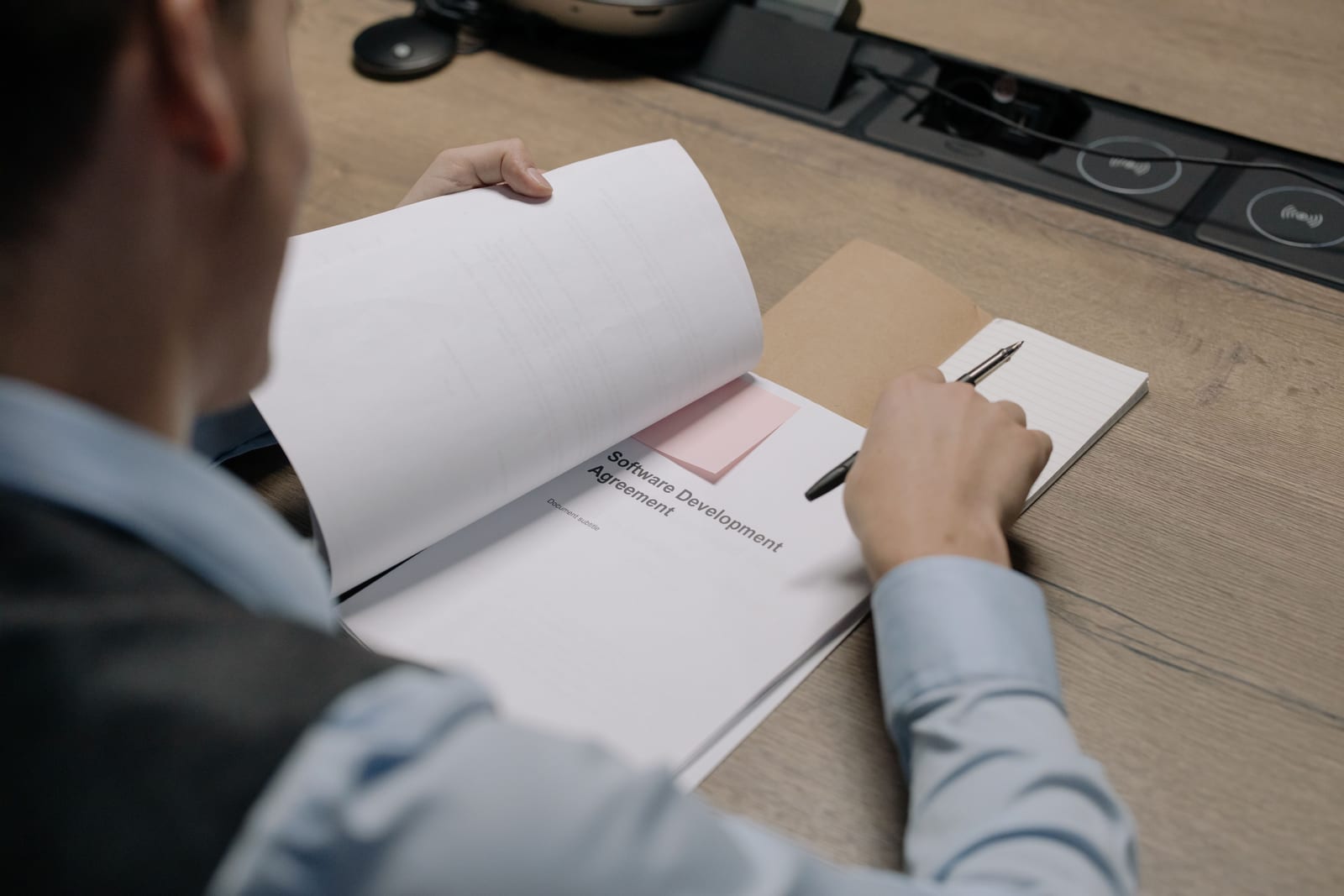
A draft is a starting point you shape — you review and sign every section.
Will a faster report still hold up?
Yes — because the clinician remains the author of record on every word. Soma gives you a draft in your structure and your voice. But a draft is not a finished report. You read it, you correct it, you sign it.
The clinicians I work with are clear with me: faster only counts if the report still reads like theirs. If that's your worry, I answered whether an AI-drafted report still sounds like you in full — it's one branch of the larger report-writing problem. That's the bar, and it's the right one. So we never treat the draft as the deliverable — it's a starting point you shape, not an answer you accept.
A single comprehensive report can run 10 to 15 hours, and it usually gets finished late at night. Taking the blank-page grind out of that is genuinely useful. But it only helps if what comes back is something you'd be willing to put your name on. That decision is always yours.
Who's accountable for what's in the report?
You are — and that's by design, not by accident. The accountability lives with the clinician, the same as it always has. Soma is software that helps you draft; it is not a second opinion, and it does not practice your profession.
Think of it the way you'd think of a very thorough first pass from an assistant. The assistant doesn't sign the report. You do. Every clinical judgment, every interpretation, every recommendation — that's yours to make, confirm, or throw out.
I say this plainly because I don't want anyone confused about where the line sits. The report has to be defensible to a parent, a school, or a referring physician, and the person standing behind it is you. The software's job is to give you back the hours, not to take over the thinking.

The quality risk comes from going late, not from going fast.
Does speed compromise quality?
It doesn't have to — and in some ways the structure can get steadier, not shakier. Here's the part people don't expect. A lot of the quality risk in report writing doesn't come from going fast. It comes from going late.
When you're finishing the fifth report of the week at 11pm, that's when the small things drift. A heading gets skipped. A section that was thorough on Monday gets thin by Thursday. Long hours and heavy caseloads are a documented contributor to clinician exhaustion (research on clinician workload), and tired is exactly when avoidable mistakes slip in.
So the question isn't really "fast versus careful." It's "fresh review versus exhausted review." If the draft handles the repetitive scaffolding so you arrive at the clinical reasoning with energy left, the careful part of the work gets more of your attention, not less.

The clinician reading it back is the most consistent safeguard there is.
What stops errors from slipping through?
Your review does — and the structure is built to keep that review front and center. Nothing is sent, finalized, or filed on its own. The report waits for you to approve it, section by section.
That matters because the most consistent safeguard in any clinical document has always been the clinician reading it back. We don't try to replace that step. We try to protect it — by handing you a complete, organized draft so the read-through is a focused review instead of a midnight rebuild from scratch.
Administrative load is not a small problem here. In a survey of 93 health-service psychologists, most described working at or beyond capacity — 41% "at full capacity," 39% "over-extended" — with non-billable clinical activities among the most commonly named sources of work-related stress (survey of health-service psychologists). When that weight comes down, the review you give each report can be sharper — which is the opposite of cutting corners.
To be clear about what Soma does and doesn't do: it drafts in your format, and you review and sign every section. It does not decide anything clinical. You can see how the review-and-sign flow works on our product page. The sign-off is yours, always.
Does it get more consistent, or less?
More consistent — and that surprised some of the people who tried it before they believed it. When every report starts from the same clean structure, the drift that creeps in over a long week has less room to take hold. Your Monday format and your Friday format match, because the scaffolding doesn't get tired even when you do.
That's not the software being clever. It's the software being boring in the right place — holding the structure steady so your attention goes to the parts that need a human: the interpretation, the nuance, the recommendations that only you can make.
I'll be honest that consistency of structure is not the same as consistency of judgment, and it shouldn't be. Two clients are not the same, and a good report reflects that. What we're trying to remove is the unintended variation — the skipped section, the rushed summary — not the considered, deliberate differences that come from your clinical thinking.
The short version
A faster report holds up when the clinician stays the author of record. You review every section, you sign it, and nothing goes out you haven't approved. The speed comes from removing the late-night scaffolding work — not from removing your judgment.
If anything, taking the grind out of the blank page gives your review more room to breathe. The goal was never a faster report for its own sake. The goal is a report that reads like yours, that you can stand behind in front of a parent, a school, or a referring physician — finished at a reasonable hour, with your name on it because you put it there. See how Soma drafts a report you review and sign.
Thank you for reading, and thank you to every clinician who's pushed me on exactly this question — it's made the work better. If you're weighing this for your own practice, I'd genuinely love to hear how you write your reports today.
— Ian